250 g
Amarud Guava 250g
PLN 10.00
PLN 40.00 / kg
Buy in our store
We do not ship orders — come and visit us.
Open until 19:00- Pack size
- 250 g
- Category
- Fresh Food › Vegetables & Fruit
Description
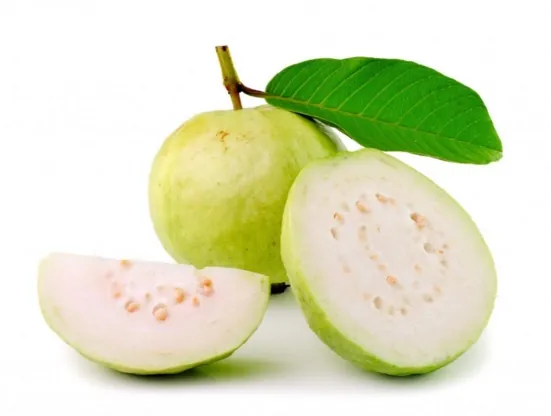
Guava, also known as Guava, Amarud or Amrood, is a tropical fruit of the Psidium guajava plant, popular in South Asia, Southeast Asia, Latin America, the Caribbean, and many other warm climate regions. In India, Pakistan, and neighboring countries, it is often found under the name amrood or amarud. The fruits usually have a round or slightly oval shape, and their skin can range in shades from light green through yellow-green to yellow depending on the variety and ripeness. The flesh can be white, creamy, light yellow, or pink, so its color should not be determined without knowledge of the specific variety and batch. Inside the fruit are numerous small, hard seeds. Guava has a distinctive, intensely fruity aroma and a taste combining sweetness with a delicate acidity. Less ripe fruits are usually firmer, crunchier, and less sweet, while as they ripen they become more aromatic, soft, and sweeter. Guava can be eaten raw after thorough washing. The skin is edible, so there is no need to peel the fruit, although it can be removed according to personal preference. The fruit can be cut into quarters, slices, or pieces and served on its own, added to fruit salads, desserts, yogurts, and other dishes. In Indian cuisine, fresh guava is also sometimes eaten with salt, chili, chaat masala, or other spices, which allows combining its sweet and sour character with spicy and salty notes. The fruits are also used to prepare juices, drinks, cocktails, purees, chutneys, jams, jellies, and other preserves. Guava pairs well with lime, lemon, mango, pineapple, ginger, mint, and chili, among others. The numerous seeds found in the flesh are a natural feature of the fruit. They are edible but can be distinctly hard, so caution should be exercised when eating, especially for people with dental problems. When preparing juices, purees, or smooth desserts, the flesh can be strained through a sieve to separate some of the seeds. Guava ripeness can be assessed based on aroma, color, and gradual softening of the fruit, with exact characteristics depending on the variety. Guava is a natural fruit, so individual pieces may vary in size, shape, color, firmness, number of seeds, and intensity of aroma.