1 kg
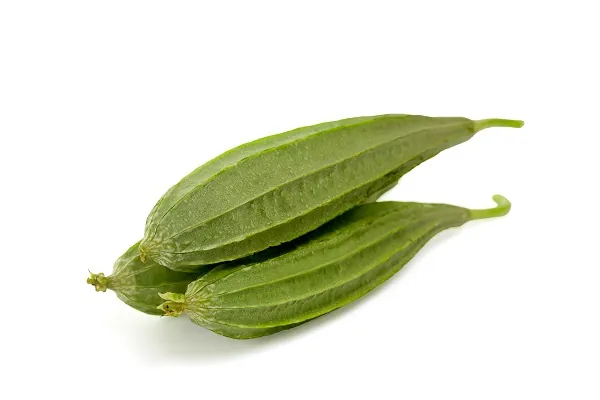
Ridge Gourd Turai Tori 1kg
PLN 35.00
Buy in our store
We do not ship orders — come and visit us.
Closed · opens today at 11:00- Pack size
- 1 kg
- Category
- Fresh Food › Vegetables & Fruit
Description
Ridge gourd, known in English as Ridge Gourd, is an elongated green vegetable from the gourd family, characterized by distinct longitudinal ribs running along the entire fruit. This species is botanically known as Luffa acutangula and is widely used as a vegetable in South Asian and Southeast Asian cuisines. In India, many regional names for ridge gourd can be found, including turai, tori, torai, turiya, or peerkangai, so the product may be searched for by customers under various terms. Ridge Gourd should not be confused with the smooth sponge gourd type, as the ribbed variety has characteristic sharp, longitudinal edges on the surface. Young fruits are valued as a culinary vegetable due to their delicate, mild flavor and flesh that softens during cooking. Before preparation, the ridge gourd should be thoroughly washed. The harder, protruding ribs and skin can be partially or completely removed with a peeler or knife, depending on the vegetable's maturity and the dish being prepared. Then the fruit can be sliced, halved, or cut into pieces. Ridge Gourd is excellent for stewing, boiling, and making curry. In Indian cuisine, turai or tori is often combined with onion, tomatoes, garlic, ginger, chili, and spices such as cumin, turmeric, coriander, or mustard seeds. It can serve as a base for simple vegetable curries like sabzi, be prepared with lentils or other legumes, or added to dishes with sauce. In southern India, the vegetable also appears under regional names and is used in local curries, dals, and vegetable dishes served with rice. Due to its mild nature, it absorbs the aroma of spices and other dish ingredients well. The best for culinary use are young and relatively firm fruits. As the ridge gourd matures, it becomes more fibrous, and its interior and seeds harden. Very mature fruits of the Luffa genus develop a strongly fibrous structure and are not used culinarily in the same way as young vegetables. Due to the natural character of the fresh product, individual pieces may vary in length, thickness, curvature, shade of green, and surface appearance.