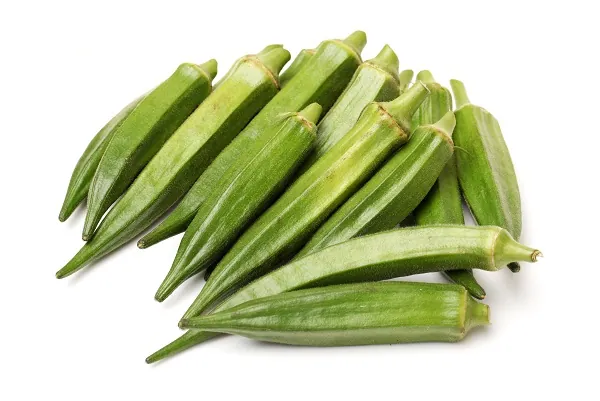
250 g
Bamia Bhindi Ladies Finger 250g
PLN 10.00
PLN 40.00 / kg
Buy in our store
We do not ship orders — come and visit us.
Closed · opens today at 11:00- Pack size
- 250 g
- Category
- Fresh Food › Vegetables & Fruit
Description
Fresh okra, known in Polish as piżmian jadalny, and also under the names Gombo, Bamia, Bhindi, Ladies Finger, Lady Finger, or Okra, are edible young fruits of the Abelmoschus esculentus plant. The vegetable is widely used in the cuisines of India, Pakistan, Bangladesh, the Middle East, Africa, the Caribbean, and the southern regions of the United States. The characteristic green pods have an elongated, slightly ribbed shape and contain numerous light, small seeds. Young okra is firm and tender, and after heat treatment, it acquires a soft texture. One of the most distinctive properties of piżmian is the natural plant mucilage released especially after cutting and during cooking. This is not a sign of spoilage but a natural feature of okra, used among other things to thicken soups, sauces, and stews. The amount of released mucilage can be limited by preparing whole or larger pieces, thoroughly drying the vegetable before cutting, and shorter cooking at high temperature. In Indian cuisine, okra is commonly known as bhindi and forms the basis of many popular dishes. Bhindi Masala is made from okra, onions, tomatoes, and aromatic spices, while Bhindi Fry is a fried version aiming for a drier and more distinct texture. Okra can also be used in curry, sabzi, and dishes with potatoes, onions, and other vegetables. In Arabic and Middle Eastern cuisines, under the name bamia, it is found in stewed dishes often prepared with tomatoes and spices. In African cuisines, gombo or okra is a common ingredient in soups and stews, where its natural thickening properties are especially valued. The vegetable can be boiled, stewed, fried, baked, grilled, or prepared whole. Before use, the pods should be thoroughly washed and dried, then the stem end should be cut off without unnecessarily removing a large part of the pod. Young specimens are usually more tender, while older okra can become tough and fibrous. Individual pods may naturally vary in length, thickness, shade of green, number of seeds, and firmness. Okra pairs well with tomatoes, onions, garlic, ginger, chili, cumin, coriander, turmeric, mustard, and other spices characteristic of Asian, African, and Middle Eastern cuisines.